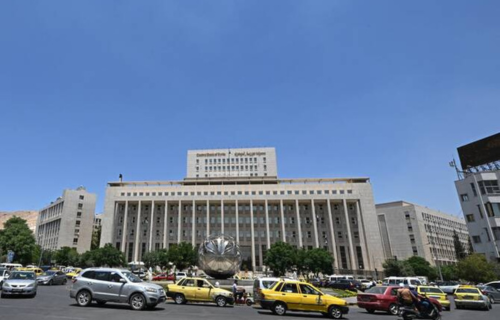
After 14 years of conflict, Syria’s financial sector remains small, bank-centric and heavily reliant on cash with minimal financial intermediation, outdated digital payment infrastructure, and challenges in supervisory, financial integrity and financial stability systems. These constraints raise transaction costs, impede access to finance and limit Syria’s reconnection with international financial channels needed for trade and investment. A functioning financial system is vital for recovery, enabling wage and pension payments, remittances, business transactions and facilitating trade and investment, secure and transparent delivery of humanitarian and development assistance and more effective public revenue collection and government payments.